Top Questions to Ask Before Joining Basketball Club Teams San Diego

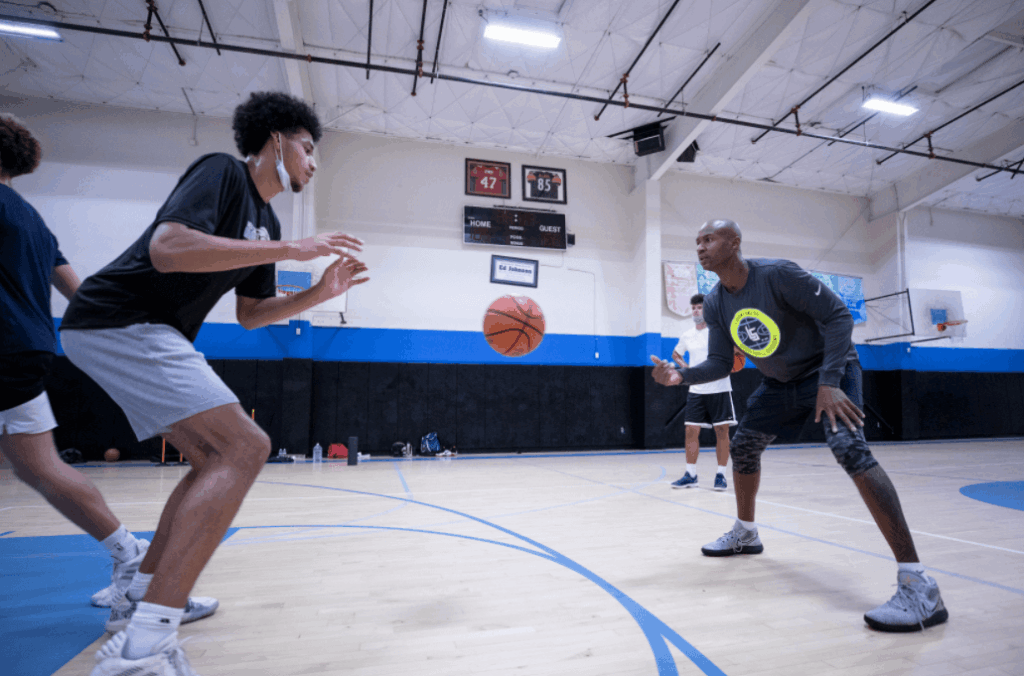
Choosing a club basketball program can shape far more than a season schedule. It affects development, confidence, family logistics, finances, and sometimes a player’s long-term relationship with the sport. That is especially true in a market as active and competitive as San Diego, where families can find everything from highly selective travel programs to local developmental teams that practice twice a week and stay close to home.
Parents often start with the same visible markers: social media clips, tournament photos, branded gear, and the promise of elite competition. Players usually care about whether the gym feels serious, whether the team wins, and whether the coach seems invested. Those things matter, but they are not enough. Some of the most important details sit below the surface, and if you do not ask about them early, you may discover them halfway through the season when switching teams becomes difficult.
When families are evaluating Basketball Club Teams San Diego, the smartest move is not to ask whether a program is “good.” That question is too broad to get a useful answer. Ask instead how the team is built, how the coaches teach, how the season is run, and what happens when things get hard. Those answers tell you much more.
Start with the real purpose of the team
Before asking a club director anything, a family should get clear about its own priorities. Not every player needs the same environment. A seventh grader who is still learning pace, spacing, and defensive positioning needs something different from a varsity starter trying to gain exposure and compete against higher-level talent. Problems start when families join a team whose mission does not match the player’s stage.
Some programs are built around skill development. Others prioritize tournament volume and visibility. Some aim to help players prepare for high school basketball. A smaller number are organized around serious college recruiting pathways. None of those models is automatically right or wrong. The issue is fit.
A question I always recommend is simple: what is this team trying to do for players over the next twelve months? A strong program can answer that without vague language. You should hear specifics. They might talk about improving decision-making under pressure, building position-specific skills, preparing players for varsity tryouts, or placing older athletes in front of college coaches at the right events. If the answer is mostly branding language, or if every age group gets the same sales pitch, that is worth noticing.
San Diego has enough basketball options that families do not need to settle for a generic promise. The better clubs can explain exactly what success looks like for a fourth grader, an eighth grader, and a rising senior, and those answers should not sound the same.
Who is actually coaching the team?
This question sounds obvious, yet it gets skipped all the time. Families often sign up based on a club’s reputation, then discover that the person leading workouts is not the person coaching games, and neither is the person who handled the tryout. That disconnect can create frustration quickly.
Ask who the head coach will be, how long that coach has been with the program, and whether the coach is expected to stay with the team all season. You are not just looking for a résumé. You are looking for consistency. A coach who understands the group over time can build habits, trust, and accountability. Constant rotation can turn practices into one-off sessions where little sticks.
Experience also deserves a closer look. Years in the gym matter, but so does the kind of experience. Coaching younger players requires patience, structure, and teaching ability. Coaching older players in live tournament settings requires game management, role clarity, and honest communication. A former player is not automatically a strong teacher. A loud coach is not automatically an effective one. And a coach with a winning record may still do a poor job developing the bottom half of the roster.
If possible, watch the coach during practice rather than only at games. Games can be misleading. A coach may look energetic on the sideline, but practice reveals much more. Does the coach stop play to teach details? Do players know why they are doing a drill? Is feedback specific, or is it just volume and emotion? Strong coaching tends to sound clear. “Get lower on the catch, read the help, make the simple pass.” Weak coaching often sounds like noise.
How are players developed between tournaments?
Many club teams advertise competition level first and development second. That order should make families cautious. Tournaments can expose strengths and weaknesses, but players usually improve through focused repetitions in practice, film review, and a steady plan over time.
Ask how often the team practices, how long sessions run, and what those sessions emphasize. One ninety-minute practice per week is a very different product from two or three structured practices with clear developmental objectives. Some programs also include skill sessions separate from team practice, which can be useful if they are truly integrated into the player’s growth and not just an extra fee attached to the club name.
The key question is whether the program can explain its teaching model. For example, a developmental-minded coach might say that early season work focuses on footwork, ball pressure, passing reads, transition spacing, and finishing through contact. Midseason might shift more toward game situations, special sets, and defensive communication. That type of answer shows planning. It also tells you the coach sees basketball as a teachable craft, not just a string of weekend events.
There is a common mistake families make here. They assume more tournaments equal more improvement. That is not always true. In fact, I have seen players plateau on busy schedules because they spent every weekend reacting to games and almost no time correcting habits. A lighter tournament calendar with better practices can produce stronger gains, especially for middle school athletes who are still forming their skill base.
What does playing time really look like?
This is one of the hardest subjects for families to discuss directly, but it is one of the most important. Ask anyway. Ask before uniforms are ordered, before travel is booked, and before a player mentally commits.
The right question is not “Will my child start?” No honest coach should answer that months in advance. The better question is how playing time is decided, how that standard changes by age group, and whether the program guarantees development opportunities even for non-starters.
Some club teams treat younger age levels as teaching environments where minutes are shared more broadly. Others begin sorting roles early and heavily prioritize results. Older age groups, particularly on top travel teams, often become more competitive and role-based. That can be appropriate, but it should be transparent.
What families need to avoid is surprise. A player who joins expecting meaningful minutes and instead sits through four games a weekend can lose confidence fast. At the same time, not every reduced role means the coach is unfair. Sometimes a player is adjusting to speed, physicality, or defensive demands. Good coaches can explain that clearly and give a path forward. Poor programs hide behind phrases like “keep working” without naming what needs to improve.
If a coach is uncomfortable discussing role expectations in general terms, that is revealing. Serious coaches know families need this information. They may not make promises, but they should be able to describe their philosophy without defensiveness.
How many players are on the roster, and why?
Roster size affects everything: touches in practice, opportunities in games, team chemistry, and value for the money. Yet families often overlook it until they realize there are eleven or twelve players chasing limited minutes in short tournament games.
For younger age groups, larger rosters can sometimes make sense if the program’s main goal is broad development and local competition. For older or more competitive teams, oversized rosters often create tension unless roles are managed exceptionally well. Even a good coach cannot manufacture meaningful minutes for everyone in a tight weekend schedule.
Ask not only how many players are on the roster, but why the club chose that number. A thoughtful answer might mention injury protection, attendance realities, or the specific demands of the tournament schedule. A weaker answer usually sounds like a hedge, as if the program wants maximum fee volume while keeping every option open.
This matters in Basketball Club Teams San Diego because tournament ecosystems can vary. Some weekends feature several games in a compressed format, and some events involve long breaks between games that make substitution rhythm awkward. On a large roster, a player can go from active contributor in practice to very limited game involvement fast.
What is the total cost, not just the advertised fee?
Club basketball costs more than the headline number. Families know this in theory, but the real total still catches many by surprise. Team dues are only the start. There may be uniform packages, tournament surcharges, travel costs, hotel blocks, extra training sessions, coaching travel contributions, and fundraiser expectations.
Ask for a full breakdown of expected costs across the season. It does not need to be exact to the dollar, but the club should be willing to explain the likely range. Programs that are organized usually already have this information ready because they know families are planning budgets months in advance.
Cost alone does not tell you whether a team is a good choice. Expensive does not always mean exploitative, and cheaper does not always mean better value. What matters is alignment between cost and substance. If a team charges premium rates, families should see premium organization, dependable gym access, experienced coaching, and a coherent development plan. If the price is lower, expectations can be adjusted accordingly, but transparency still matters.
One practical detail that often gets missed is refund policy. Injuries happen. School conflicts arise. Coaches change jobs. Seasons do not always unfold as planned. You want to know where the club is flexible and where it is not before money changes hands.
How does the team handle communication?
Club seasons test communication more than people expect. Schedules shift, tournaments change, gyms move, and tensions over roles can build quietly if no one addresses them. Programs with weak communication can feel chaotic even if the basketball itself is decent.
Ask who handles communication, how quickly updates are typically sent, and what the process is for raising concerns. Some clubs rely on team apps. Others route everything through a manager. The format matters less than the consistency. Families should know where information lives and who is accountable when plans change.
The more important piece is culture. Can parents ask logistical questions without being labeled difficult? Can players request feedback directly? Does the coach schedule individual conversations, or is every concern expected to wait until frustration spills over? The best teams are not drama-free because everyone is happy all the time. They are stable because expectations are clear and communication happens early.
I have seen strong seasons get derailed not by talent issues, but by silence. A player assumes the coach has lost confidence in him. The coach assumes the player understands his role. The parent fills the gap with anxiety. Three weeks later, a small issue becomes a family crisis. Good communication systems prevent that spiral.
What level of competition will the player actually face?
A common sales tactic in club basketball is to describe the highest level a program touches, not the level your child is likely to experience. A club may mention elite national events, but that does not mean every roster attends them, or that every player is on the team built for that circuit.
Ask which tournaments this specific team expects to enter, what caliber of opponents are typical, and how the club decides when a group is ready to move up. That last part matters. Constantly chasing tougher competition can backfire if players spend entire weekends overwhelmed and unable to execute. On the other hand, staying too comfortable can slow growth.
The best competition level stretches a player without drowning him. That balance is not always easy to strike. In San Diego, teams may play locally, travel into Orange County or Los Angeles, or enter out-of-state events depending on age and ambition. Travel can open doors and raise the level, but it also adds cost, fatigue, and missed time at home. Families should know whether those trade-offs are central to the program or optional.
An honest coach will tell you not only where the team wants to be, but where it is right now.
How does the program define discipline and accountability?
Every team says it values accountability. That word means almost nothing unless a coach can explain how it shows up day to day. Does accountability mean sprinting when someone makes a turnover, or does it mean showing up on time, knowing terminology, defending with effort, and treating teammates with respect? Those are very different environments.
Ask what happens when players miss practices, show poor body language, ignore defensive assignments, or speak disrespectfully. Listen for balance. A strong club holds standards without turning every correction into a public spectacle. Players need structure, but they also need coaching that teaches rather than humiliates.
This becomes especially important with adolescents, who are still learning emotional control. A coach can be demanding without being reckless. In fact, the most effective demanding coaches are often very measured. They correct with precision, they do not embarrass players for effect, and they understand when a mistake is technical versus when it reflects effort or attitude.
Families should also notice whether standards apply evenly. If the best scorer gets away with behavior that others would be benched for, that message spreads through the roster fast.
Is the club helping players grow, or just sorting them?
Some programs are skilled at identifying the most advanced players and grouping them together. That can produce wins. It does not necessarily mean the club is strong at development. The better question is whether the team improves players who are not already polished.
One of the cleanest ways to evaluate this is to ask what progress looked like for similar players last season. Not names, not private details, just examples. Did a tentative guard become more confident initiating offense? Did a post player improve footwork and timing? Did a player who barely cracked the rotation eventually earn real minutes? Concrete answers matter.
Sorting is easy. Development is harder. Development requires patience, teaching, repetition, and a willingness to coach the eighth player with the same care given to the first. If every success story begins with “he was already one of the best players in the area,” that tells you something.
For families exploring Basketball Club Teams San Diego, this distinction is crucial because the region has both types of programs. Some are excellent at gathering talent. Some are excellent at building it. A few do both. Knowing which type you are considering can save a lot of confusion.
What happens if the fit is not right?
This is not a pessimistic question. It is a practical one. Team fit can break down for many reasons. Coaching style and player temperament may clash. A roster may be stronger or weaker than expected. Logistics may become unmanageable. A player may simply need a different level.
Ask how the club handles concerns midseason. Is there a process for reevaluating role, schedule, or team placement? Can a player move between teams within the program if development needs change? Is the director accessible when issues rise above the team coach?
The answer here reveals a lot about organizational maturity. Clubs that have operated long enough know not every placement is perfect. They usually have some mechanism for review. Programs that act offended by the question often struggle with conflict management.
There is also an important life lesson embedded in this. Young athletes benefit from learning commitment, but they also need adults around them who can distinguish between healthy adversity and a genuinely poor environment. Not every hard season should be escaped. Not every hard season should be endured without question, either.
A gym visit tells you what websites cannot
If you can only do one piece of homework before joining, visit a practice. Watch the warmups. Watch transitions between drills. Watch how players respond when corrected. Watch whether assistant coaches are engaged or just present. You will learn more in forty minutes than you will from a polished online https://andresolmv497.zenbloomer.com/posts/how-to-compare-basketball-club-teams-in-san-diego-effectively bio.
A productive gym has a certain feel. Time is used well. Players are active, not standing in long lines. Teaching points repeat with purpose. Energy is steady, not theatrical. Mistakes are corrected, then the group moves on. The coach’s voice guides the room rather than dominating it.
By contrast, a disorganized gym often reveals itself quickly. Drills run long without clear teaching. Players drift. Coaches talk more than they teach. The strongest athletes absorb most of the attention. Nothing is technically wrong, but little feels intentional. Families sometimes miss this because they are watching for intensity. Intensity alone is easy to fake. Structure is harder.
The questions that matter most are usually the least flashy
The club basketball world can make families feel that the main goal is gaining access to the highest-profile events as early as possible. That pressure is real, especially for ambitious players. But the healthiest long-term decisions usually come from less glamorous questions. Who teaches well? Who communicates clearly? Who has a real plan? Who uses time wisely? Who tells the truth about role, level, and cost?
A player does not need the loudest team, the biggest brand, or the busiest travel schedule to have a strong club experience. He needs a program that fits his current needs while still pushing him forward. For one athlete, that may be a highly competitive roster with narrow roles and strong opponents every weekend. For another, it may be a developmental team with excellent teaching and fewer miles on the family car.
That is why the right questions matter so much. They cut through image and get to substance. And when families ask them early, they usually make better choices, not just for a season, but for the player’s broader growth in the game.
Lamont Smith Basketball Academy
888 Clairemont Mesa Blvd Suite T-2, San Diego, CA 92123
(619) 639-8778
FAQ About Basketball Club Teams San Diego
How can a player join an LSBA club team?
Players are evaluated during practices so the coaching staff can recommend an appropriate team and development level. Families should contact the academy to confirm current openings and evaluation details.
Are club teams available for newer basketball players?
Yes. LSBA describes multiple levels, including a developmental option for newer players as well as more competitive teams for athletes with prior club experience.
What do LSBA club team practices emphasize?
Practices emphasize basketball fundamentals, team defense, structure, communication, and player development. The specific focus may vary according to the team and experience level.
Do all LSBA teams travel?
Travel expectations vary by level. Some teams focus on local competition, while advanced teams may participate in tournaments elsewhere in Southern California or beyond. Families should confirm the current schedule before enrolling.